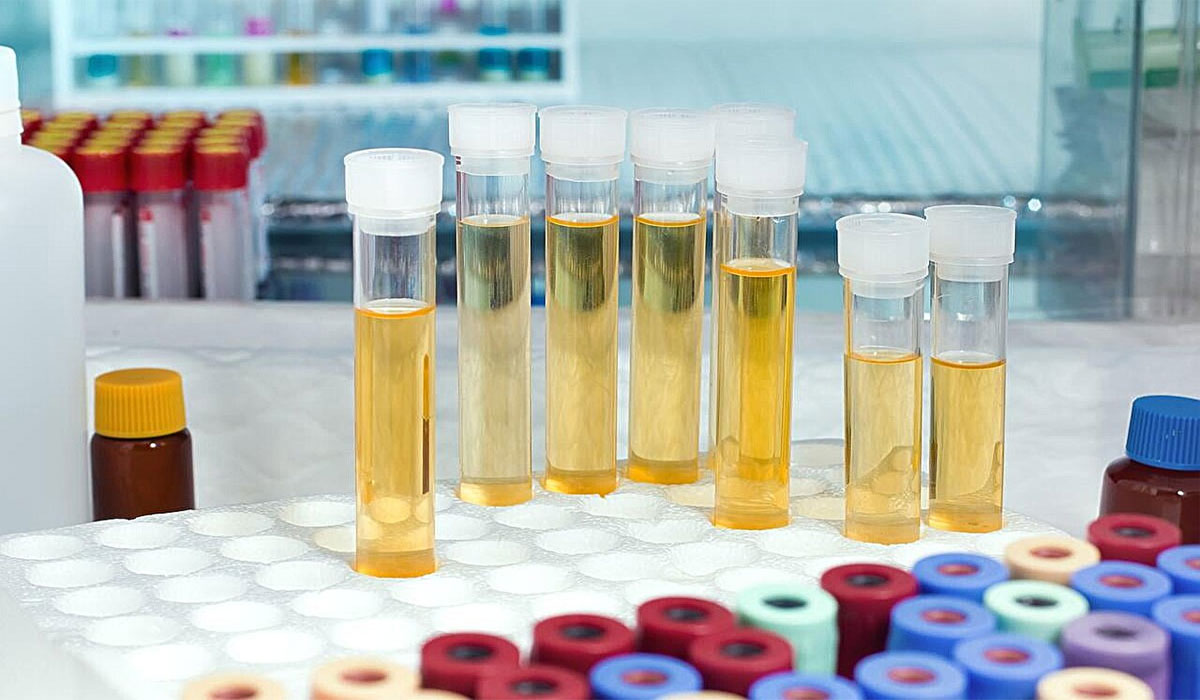
What Makes Ethanol Extraction So Popular? The Secrets May Surprise You!
Ethanol extraction has become a widely discussed technology in modern manufacturing, scientific research, and natural product processing.
Although the method relies on a familiar substance, the science behind it offers impressive possibilities. G-Force Extraction | Cutting Edge From producing food flavorings to obtaining botanical ingredients for cosmetics and pharmaceutical research, ethanol plays an important role in separating valuable compounds from complex materials. So, what makes this extraction method so popular, and why are so many industries interested in its potential?
The Science Behind Ethanol Extraction Is Fascinating
Ethanol extraction is a separation process that uses ethanol as a solvent to dissolve selected compounds from a material. Depending on the application, these substances may include natural flavors, fragrances, pigments, oils, and other chemical components. Once dissolved, the desired compounds can be separated from the remaining solid material through filtration and additional processing.
One of ethanol’s most interesting characteristics is its ability to interact with a relatively broad range of substances. Its molecular structure contains both polar and nonpolar features, making it useful for dissolving compounds with different chemical properties. This versatility is one reason ethanol is often selected for extracting ingredients from suitable plant materials.
However, not every compound dissolves equally well in ethanol. The final extract depends on factors such as solvent concentration, temperature, extraction time, and the characteristics of the starting material. Understanding these variables allows manufacturers to adjust processing conditions to achieve specific results.
Its Versatility Makes It Valuable Across Industries
One major reason ethanol extraction is popular is its wide range of applications. In the food industry, it is used to obtain flavoring ingredients from materials such as vanilla beans and other botanical sources. These extracts contribute distinctive aromas and flavors to many familiar products.
The cosmetics and personal care industries also use ethanol-based extraction to obtain plant-derived ingredients. Depending on their composition and suitability, these extracts may become components of fragrances, lotions, and other formulations. Careful testing is necessary to ensure that each ingredient meets the required quality and safety standards.
Pharmaceutical research provides another important application. Scientists use solvent extraction to isolate compounds from natural materials for chemical identification and further investigation. Although extraction does not automatically establish medical effectiveness, it can help researchers study substances that may have scientific or industrial value.
Read Also: The Future of Extraction Technology — What Makes Ethanol So Special?
Efficiency and Solvent Recovery Are Important Advantages
Ethanol has a relatively low boiling point compared with many other solvents, allowing it to be separated from numerous extracts through controlled evaporation or distillation. This makes solvent recovery an important part of many industrial extraction systems.
When properly designed and operated, recovery equipment allows ethanol to be collected and reused. This can reduce the need for fresh solvent, lower operating costs, and limit waste. Efficient recovery is particularly valuable in large-scale manufacturing, where solvent consumption can significantly influence production expenses.
Another advantage is the flexibility of ethanol concentration. Different proportions of ethanol and water can influence which compounds dissolve during extraction. This allows manufacturers to adapt their processes to different materials and desired ingredients, although careful testing is needed to determine the most suitable conditions.
The Challenges Behind Successful Ethanol Extraction
Despite its advantages, ethanol extraction requires careful process management. Ethanol is highly flammable, and its vapors can create fire and explosion hazards. Industrial facilities therefore need appropriate ventilation, suitable equipment, vapor controls, and strict fire-safety procedures.
Product quality also depends on the raw materials and processing conditions. Moisture content, particle size, temperature, and unwanted substances can all influence the final extract. Filtration, laboratory analysis, and appropriate purification may be necessary to meet product specifications.
Looking ahead, improvements in automation, analytical equipment, and solvent recovery could make ethanol extraction more precise and efficient. However, innovation must go hand in hand with responsible handling, environmental considerations, and regulatory compliance. These factors will help determine how successfully the technology develops.
Final Summary
Ethanol extraction is popular because it combines versatile chemistry with practical applications across several industries. Its ability to dissolve a broad range of compounds, adapt to different materials, and support solvent recovery makes it a valuable processing method.