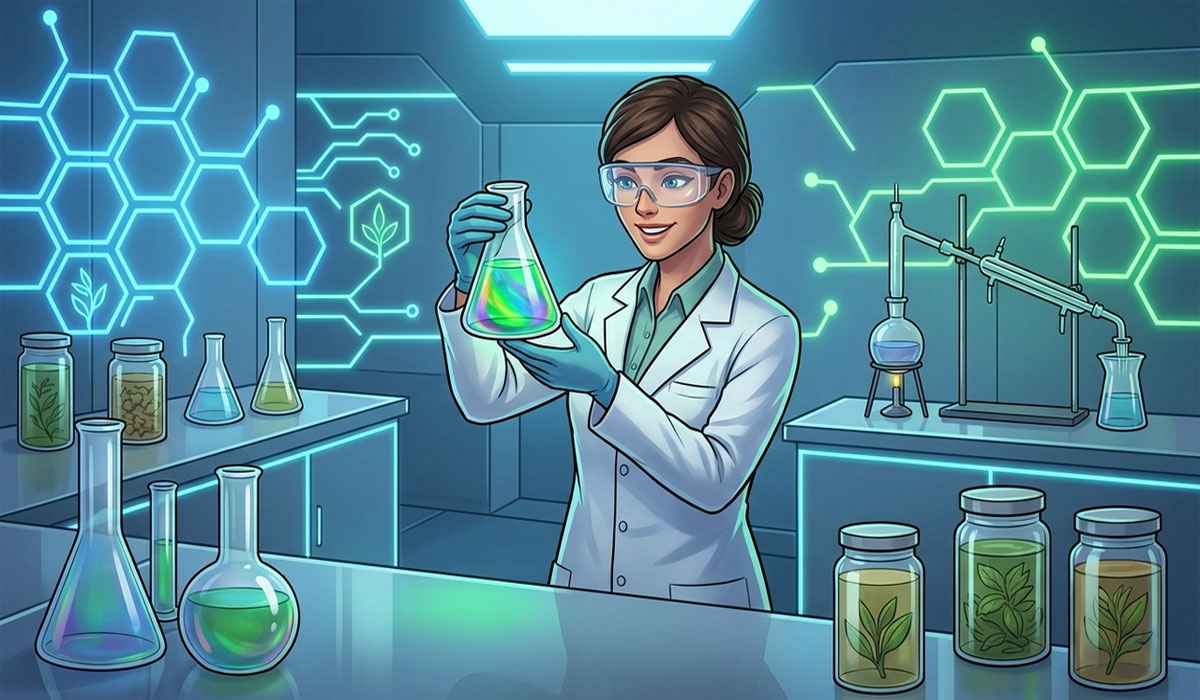
Why Is Ethanol Extraction Taking the Spotlight? The Facts Will Surprise You!
Ethanol extraction is attracting growing attention across industries, and there is a fascinating reason why.
This versatile processing technique uses a familiar solvent to separate valuable compounds from complex materials, opening opportunities in food production, pharmaceuticals, cosmetics, and scientific research. But what makes ethanol extraction so popular, G-Force Extraction | Cutting Edge and why are manufacturers increasingly interested in its potential? The answers lie in its unique chemistry, flexibility, and wide range of applications.
The Science That Makes Ethanol Extraction Special
Ethanol extraction works by using ethanol as a solvent to dissolve selected compounds from a material. Depending on the application, these compounds may include natural flavors, fragrances, pigments, oils, and other chemical substances. Once dissolved, the desired components can be separated from the remaining material through appropriate processing techniques.
One fascinating feature of ethanol is its chemical structure. It has both polar and nonpolar characteristics, allowing it to interact with a relatively broad range of substances. This versatility makes it useful for extracting different compounds, although its effectiveness depends on the chemical properties of the target material.
The extraction process is influenced by several factors, including ethanol concentration, temperature, contact time, and the characteristics of the starting material. By carefully controlling these conditions, manufacturers can influence which compounds are extracted and how much of them are recovered. This scientific flexibility is one reason ethanol extraction continues to attract interest.
Why Industries Are Choosing Ethanol Extraction
One major advantage of ethanol extraction is its versatility. Food manufacturers use ethanol-based processes to obtain flavoring ingredients, while cosmetic producers may use them to prepare botanical extracts for product formulations. Pharmaceutical research also relies on solvent extraction to isolate compounds for further investigation and development.
Another important benefit is the possibility of recovering and reusing the solvent. Ethanol can be separated from many extracts through controlled evaporation or distillation. When properly designed and operated, solvent recovery systems can reduce solvent consumption, lower operating costs, and support more efficient production.
Ethanol also has established applications in regulated food and pharmaceutical settings. However, this does not mean every ethanol-derived extract is automatically safe for consumption or suitable for every product. The quality of the starting materials, processing conditions, residual solvent levels, and applicable safety standards all matter.
Read Also: Ethanol Extraction Revealed — The Hidden Science Behind This Powerful Technology!
The Important Factors Behind High-Quality Extraction
Although ethanol extraction offers many advantages, achieving consistent results requires careful planning. Ethanol concentration is particularly important because different mixtures of ethanol and water can dissolve different groups of compounds. Selecting the appropriate concentration depends on the material being processed and the substances manufacturers want to obtain.
Temperature also plays a significant role. Increasing temperature may improve the solubility or extraction speed of certain compounds, but excessive heat can damage sensitive substances or cause unwanted chemical changes. Manufacturers must balance processing efficiency with the need to preserve the desired properties of the extract.
Starting material quality is equally important. Factors such as moisture content, particle size, freshness, and chemical composition can influence extraction performance. Proper testing and quality control help ensure that the final product meets its intended specifications. These details demonstrate that successful extraction involves much more than simply mixing a material with ethanol.
What the Future Holds for Ethanol Extraction
Advances in processing equipment are helping make ethanol extraction more controlled and efficient. Improved filtration systems, automated temperature monitoring, and advanced solvent recovery technologies can support consistent production while reducing unnecessary waste. These developments are especially valuable for manufacturers handling large quantities of material.
Scientific analysis is also improving how extracts are evaluated. Modern laboratory techniques can identify individual compounds, measure concentrations, and detect unwanted contaminants. This information helps researchers better understand extract composition and gives manufacturers more reliable ways to assess product quality.
As industries continue exploring plant-based ingredients and specialized natural compounds, ethanol extraction is likely to remain an important processing option. Its future will depend on continued improvements in efficiency, safety, environmental performance, and regulatory compliance rather than popularity alone.
Final Summary
Ethanol extraction is taking the spotlight because it combines versatile chemistry with practical applications across several industries. Its ability to dissolve a wide range of compounds, support solvent recovery, and adapt to different production needs makes it a valuable technology.
However, excellent results require suitable materials, carefully controlled conditions, reliable testing, and responsible handling. The real secret behind ethanol extraction is not simply the solvent itself, but the science and technology that make the entire process work effectively.