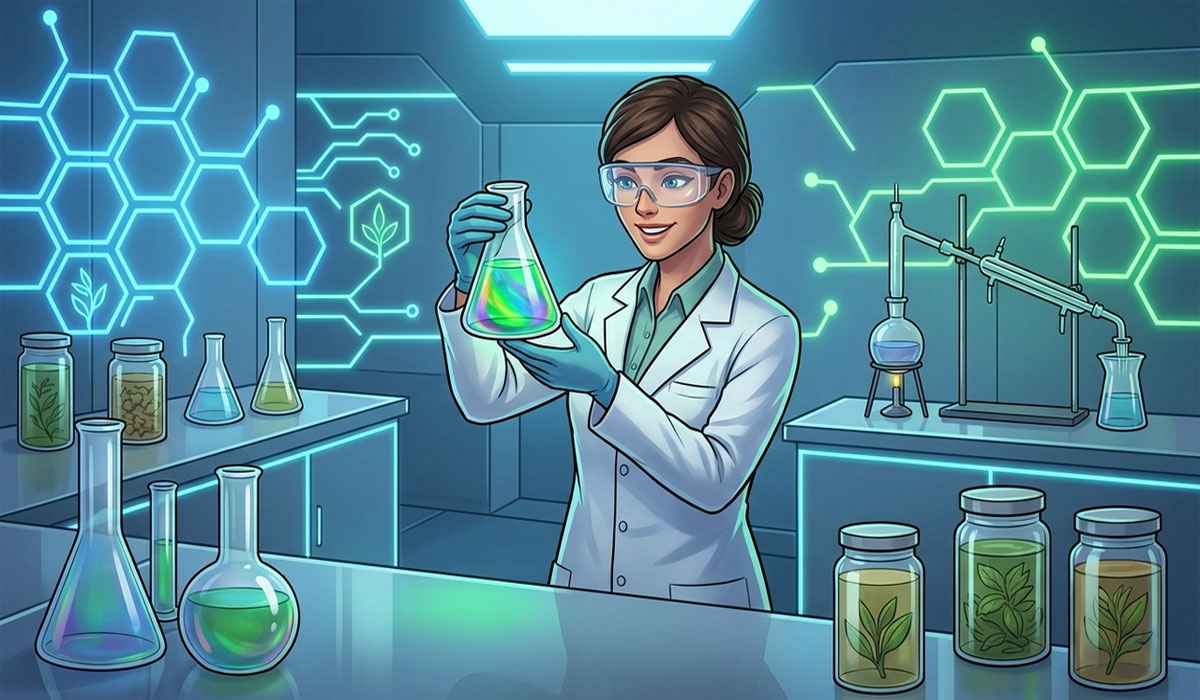
The Hidden Power of Ethanol Extraction — Discover How It Really Works!
Have you ever wondered how manufacturers obtain valuable ingredients from plants and other natural materials.
Behind many familiar products is a fascinating scientific process called ethanol extraction. This versatile technique uses ethanol to separate selected compounds from complex substances, supporting industries such as food production, cosmetics, pharmaceuticals, and scientific research. G-Force Extraction | Cutting Edge But how does it actually work, and what makes this method so useful? The science behind it may surprise you.
Understanding the Science of Ethanol Extraction
Ethanol extraction is a separation technique that uses ethanol as a solvent to dissolve specific compounds from a material. Depending on the application, these substances may include natural flavors, fragrances, pigments, oils, and other chemical components. The goal is to obtain useful compounds while separating them from the remaining material.
The secret behind this process is solubility, which describes how easily one substance dissolves in another. Ethanol has both polar and nonpolar characteristics, allowing it to interact with a relatively broad range of compounds. This makes it a versatile solvent for extracting substances that may not dissolve effectively in water alone.
However, ethanol does not dissolve every compound equally. The chemical properties of the target substances, along with the ethanol concentration and processing conditions, influence the final extract. Understanding these interactions allows scientists and manufacturers to develop extraction methods suited to particular materials and applications.
How the Extraction Process Actually Works
The process generally begins with preparing the raw material. Depending on the application, this may involve cleaning, drying, and reducing the material into smaller particles. Proper preparation can increase the contact between the material and the solvent, helping improve extraction consistency.
Next, the prepared material comes into contact with ethanol under controlled conditions. The solvent penetrates the material and dissolves compounds that are sufficiently soluble in it. Temperature, solvent concentration, and contact time can all influence which substances enter the liquid solution.
After extraction, the liquid is separated from the remaining solid material through filtration or other suitable methods. Ethanol may then be recovered through controlled evaporation or distillation, depending on the process. Additional purification and laboratory testing can help ensure that the resulting extract meets the required specifications.
Read Also: Is Ethanol Extraction Really That Effective? Discover the Facts!
The Amazing Applications Across Different Industries
One familiar application of ethanol extraction is in the food and beverage industry. Vanilla extract is a classic example because ethanol and water help dissolve flavor compounds from vanilla beans. Similar techniques are used to obtain botanical flavors and aromatic ingredients for various food products.
The cosmetics and personal care industries also rely on plant-derived extracts in certain formulations. These ingredients may be used in fragrances, lotions, and other products, provided they meet appropriate safety and quality requirements. Their composition, stability, and compatibility with other ingredients must be carefully evaluated.
In pharmaceutical research, ethanol extraction helps scientists isolate compounds from natural materials for chemical identification and further investigation. Researchers can analyze the substances obtained and study their properties. Although extraction alone does not demonstrate medical effectiveness, it provides an important starting point for scientific research and product development.
Why Ethanol Extraction Continues to Attract Attention
One important advantage of ethanol extraction is its versatility. It can be adapted to different raw materials and extraction goals, making it useful across multiple industries. Its relatively low boiling point also allows it to be recovered from many extracts through suitable distillation systems.
Solvent recovery is particularly valuable because recovered ethanol can sometimes be reused, reducing fresh solvent consumption and production waste. Modern equipment and automated monitoring can further improve process consistency, helping manufacturers control important variables and maintain product quality.
Despite these advantages, ethanol extraction requires responsible handling. Ethanol is highly flammable, so appropriate ventilation, vapor controls, suitable equipment, and fire-prevention measures are essential. Manufacturers must also consider raw material quality, unwanted compounds, residual solvent levels, and regulatory requirements.
Final Summary
Ethanol extraction is a fascinating combination of chemistry and modern processing technology. By using ethanol’s solvent properties, scientists and manufacturers can separate valuable compounds for applications in food, cosmetics, pharmaceuticals, and research.