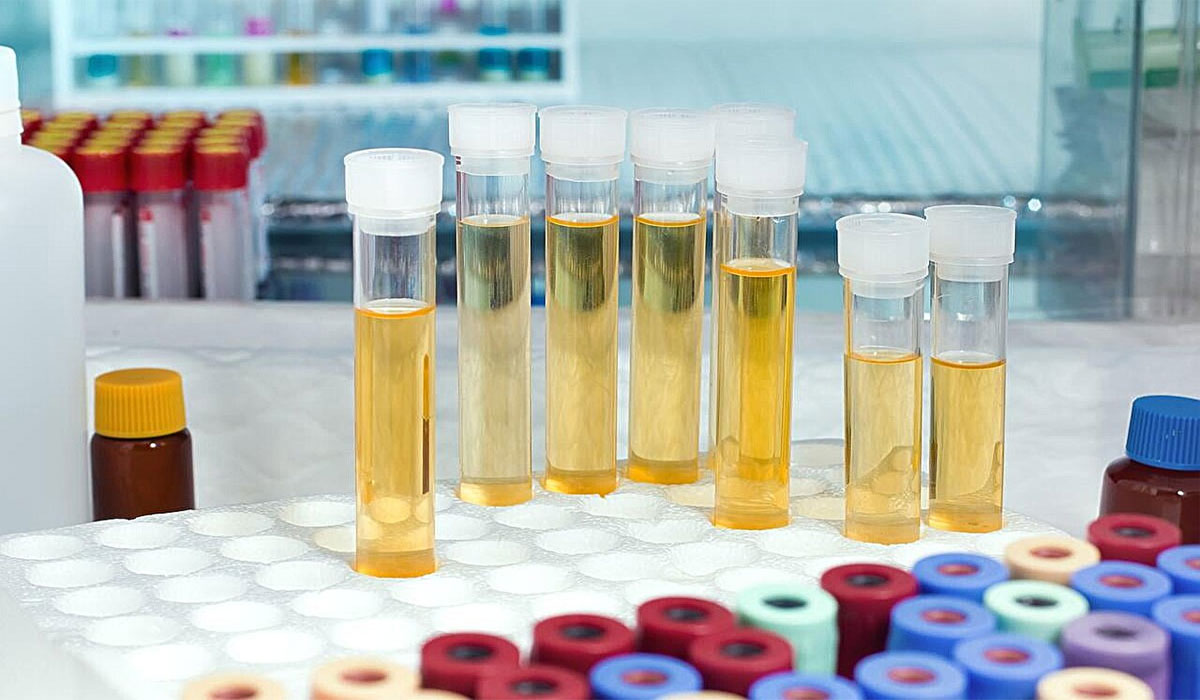
Understanding Ethanol Extraction — The Essential Guide for Curious Minds!
Ethanol extraction is a fascinating process that connects chemistry with everyday products and modern industrial innovation.
From natural flavors and fragrances to botanical ingredients used in cosmetics and scientific research, this technique helps separate valuable compounds from complex materials. But how does it work, what makes it useful,G-Force Extraction | Cutting Edge and why is it attracting so much attention?
What Is Ethanol Extraction?
Ethanol extraction is a separation technique that uses ethanol, a type of alcohol, as a solvent to dissolve and collect selected compounds from a material. It is particularly useful for processing plant-based substances, which often contain a mixture of oils, pigments, aromatic molecules, and other natural components.
The process relies on solubility, which describes how readily one substance dissolves in another. When a suitable material comes into contact with ethanol, certain compounds can transfer into the liquid while other components remain in the original material. The resulting liquid is known as an extract.
One reason ethanol is so widely used is its distinctive molecular structure. It contains both a polar hydroxyl group and a relatively nonpolar carbon-based portion. This combination allows it to interact with a broad range of substances, making it a versatile solvent for different applications.
How Does the Extraction Process Work?
The basic principle behind ethanol extraction is the movement of soluble compounds from one material into a solvent. Ethanol interacts with accessible compounds and helps dissolve them. The extent of this transfer depends on the chemical properties of the substances involved and the conditions under which extraction takes place.
Once the desired compounds have entered the solvent, the liquid extract can be separated from the remaining solid material. Depending on the application, additional processing may be required to remove unwanted substances, concentrate the extract, or recover the ethanol.
The final product is not automatically pure simply because ethanol has been used. Extraction can collect both desirable and unwanted compounds. For this reason, filtration, purification, laboratory testing, and quality control are important considerations in professional production.
Read Also: The Chemistry of Ethanol Extraction — A Fascinating Process Explained!
The Advantages and Limitations of Ethanol Extraction
Ethanol offers several practical advantages. It is widely available, has well-understood chemical properties, and can dissolve many different compounds. Its versatility makes it useful in industries that need to obtain natural ingredients with particular chemical or sensory characteristics.
Another advantage is the possibility of recovering and reusing ethanol through suitable industrial systems. Effective solvent recovery can reduce material waste and improve production efficiency. Ethanol also has established applications in food, cosmetics, and laboratory environments, making it a familiar option for many manufacturers.
However, ethanol extraction has limitations. It may collect unwanted substances alongside the target compounds, and the quality of an extract can vary depending on the starting material and processing conditions. Ethanol is also highly flammable, requiring appropriate equipment, ventilation, ignition control, and trained personnel.
Where Is Ethanol Extraction Used?
The food industry uses ethanol extraction to obtain ingredients such as natural flavors, aromatic compounds, and certain colorants. These ingredients can contribute to the taste, smell, and appearance of products. The suitability of an extract depends on its composition, purity, and intended use.
In cosmetics, ethanol-based extraction can help obtain botanical ingredients for fragrances, skincare formulations, and personal care products. Pharmaceutical researchers also use ethanol in preparing plant-derived extracts for chemical analysis and investigation, although further testing is essential before any medical application.
Beyond these fields, ethanol extraction supports research into natural materials and the development of new manufacturing technologies. Its flexibility makes it valuable, but it is not always the best method for every substance. Selecting an extraction technique requires considering the target compounds, desired purity, cost, and safety requirements.
Final Summary
Ethanol extraction is an important separation technique built on the science of solubility and molecular interactions. Its ability to dissolve a wide range of compounds makes it useful across food production, cosmetics, pharmaceutical research, and other industries.