From Concept to Creation: Mastering the Art of Modern Production
The process of production is much more than simply creating a product it is a carefully orchestrated journey from an initial concept to a finished item ready for the market.
Modern production combines creativity, technology, and strategic planning to meet consumer demands efficiently while maintaining quality. Understanding the intricacies of production allows businesses, creators, and innovators to maximize output, minimize waste, and deliver value consistently.
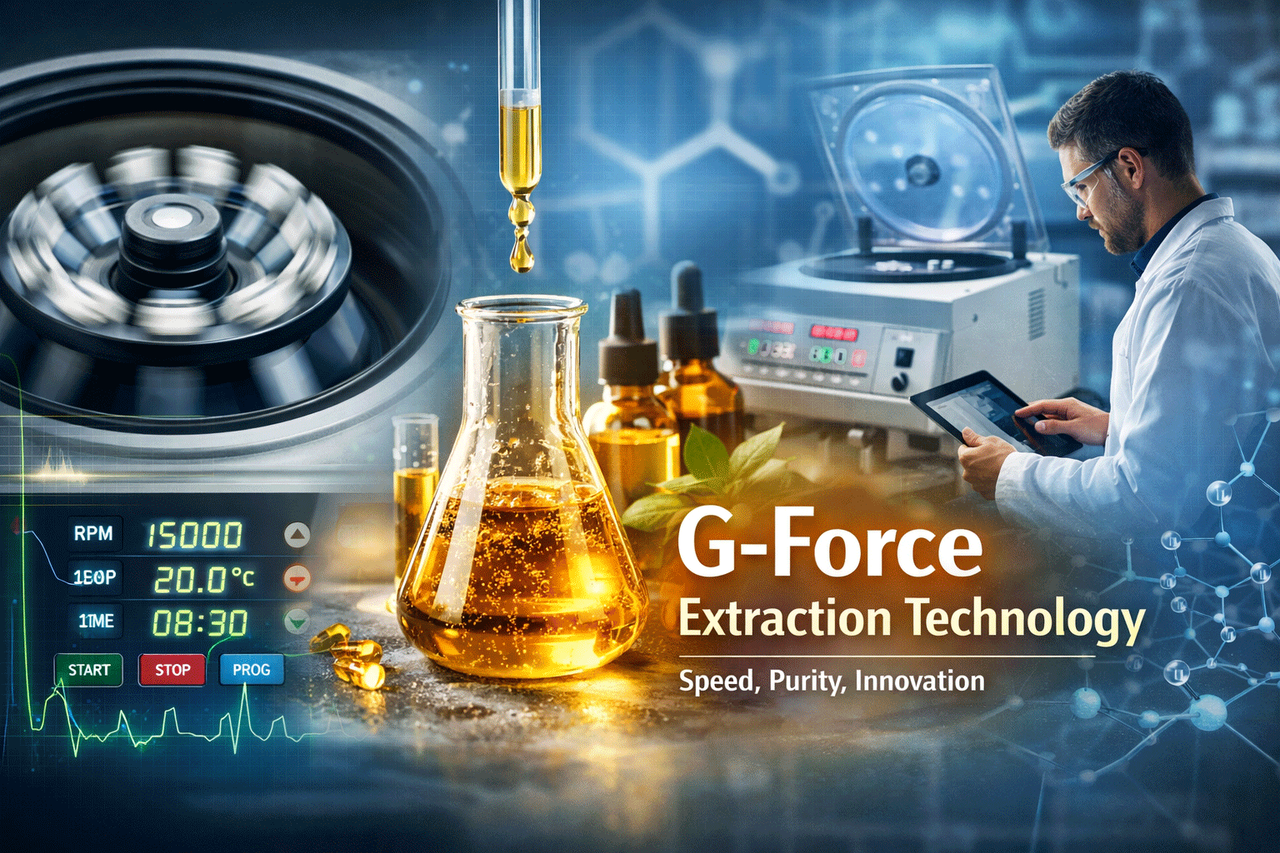
This article G-Force Extraction will explores practical approaches to achieving high-efficiency production.
Concept Development and Planning
Every successful production process starts with a clear concept and detailed planning. The initial idea serves as the foundation for what will eventually become the final product. This phase involves brainstorming, market research, and feasibility studies to ensure the concept is both innovative and viable.
Planning also requires outlining objectives, timelines, and resource allocation. Teams must consider materials, workforce, budget, and technology needed to transform the concept into reality. A well-structured plan helps avoid delays, reduces costs, and provides a roadmap for the entire production process.
Moreover, early-stage prototyping allows creators to test the concept before committing fully. By identifying potential issues and making adjustments at this stage, businesses save time and resources while increasing the likelihood of producing a successful end product.
Streamlining Production Processes
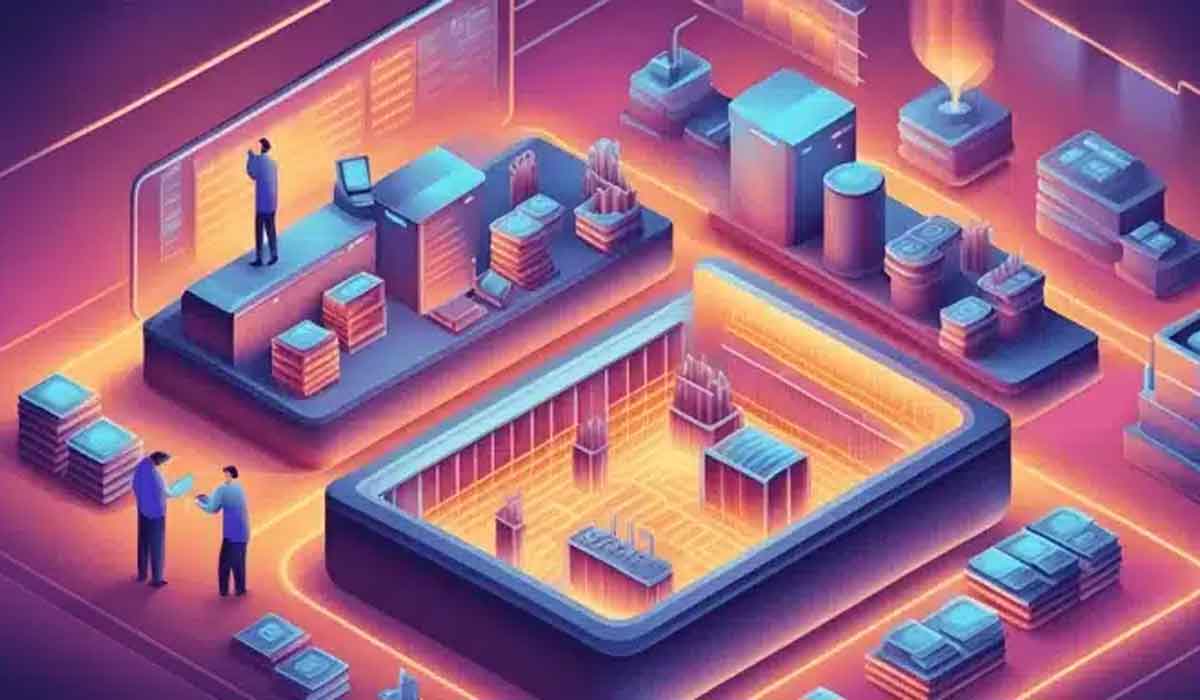
Efficient production relies on optimizing workflows and integrating technology. Modern production systems often use automation, robotics, and computer-aided design to enhance precision and speed. Streamlined processes reduce errors, minimize downtime, and ensure consistent quality across all units.
Lean manufacturing principles, such as eliminating unnecessary steps and focusing on value added activities, further improve efficiency. By continuously analyzing and refining workflows, companies can increase productivity while lowering operational costs.
Collaboration between departments is essential during this stage. Design, engineering, and manufacturing teams must communicate effectively to address potential bottlenecks, troubleshoot problems, and ensure that production aligns with the original concept.
Read Also: The Science Behind G-Force: Advanced Extraction Techniques
Quality Control and Testing
Maintaining high quality is a critical component of modern production. Products must undergo rigorous testing to ensure they meet safety standards, performance expectations, and customer satisfaction. Quality control measures identify defects early, preventing faulty products from reaching the market.
Advanced production environments use technology like sensors, automated inspection systems, and data analytics to monitor production in real time. These tools detect inconsistencies, track performance, and provide actionable insights to maintain quality throughout the process.
Employee training also plays a key role in quality assurance. Skilled workers who understand production standards and procedures help maintain consistency, reduce errors, and enhance the overall reliability of the product. Combining technology with human expertise ensures that each product meets or exceeds expectations.
Distribution and Market Readiness
Once production is complete, the focus shifts to distribution and delivering the product to consumers efficiently. Supply chain management, logistics planning, and inventory control are essential to ensure that products reach the right market at the right time.
Modern production also emphasizes sustainability in distribution. Companies consider eco friendly packaging, optimized transportation routes, and energy efficient storage solutions to reduce environmental impact. This approach aligns with consumer demand for responsible and ethical business practices.
Finally, feedback loops from consumers help refine future production cycles. By analyzing customer reviews, returns, and market trends, businesses can continuously improve products and processes, creating a cycle of innovation and excellence. Efficient distribution combined with market responsiveness strengthens brand reputation and fosters long term success.
Conclusion
Mastering modern production requires a seamless integration of creativity, technology, planning, and quality management. From the initial concept to the finished product, every stage demands careful attention, collaboration, and innovation. By developing clear concepts, streamlining processes, maintaining rigorous quality standards, and ensuring effective distribution, businesses can consistently deliver high-quality products that meet market demands. In today’s competitive landscape, production is not just about creating items it is about crafting value, efficiency, and reliability at every step of the journey.
Image Source:
- First Image from manufacturing-today.com
- Second Image from emaint.com