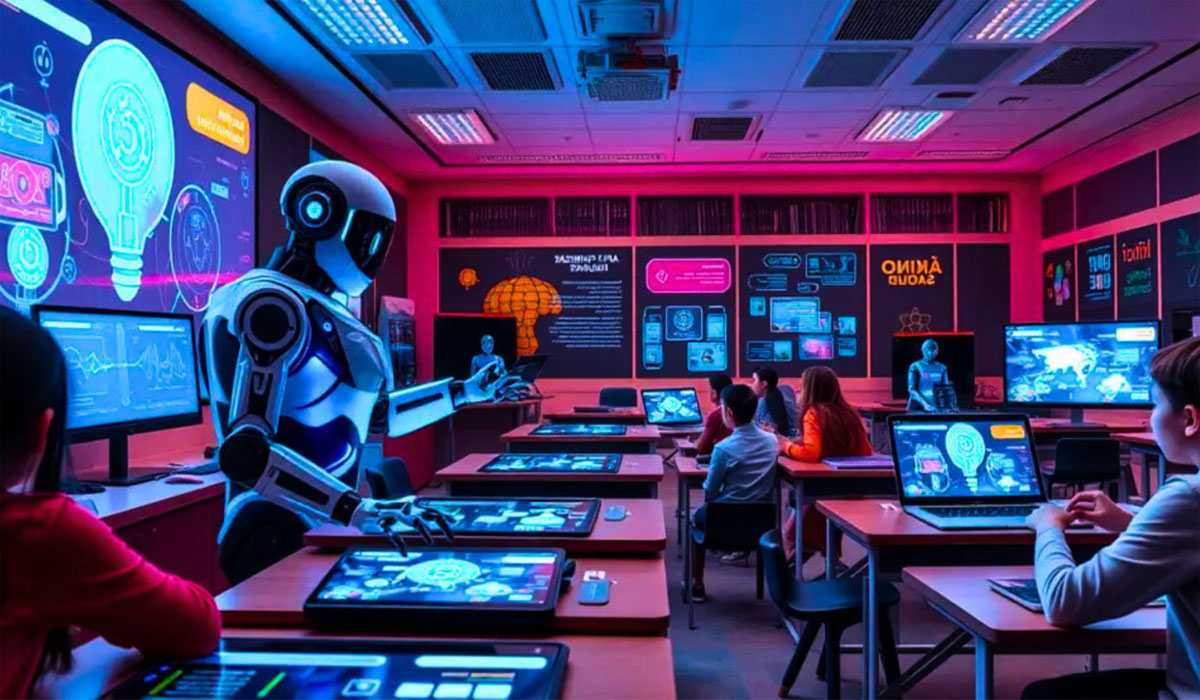
You Won’t Believe How These Technology Innovations Are Changing the World
Technology has always been a driving force behind human progress, but the pace of innovation today is truly unprecedented.
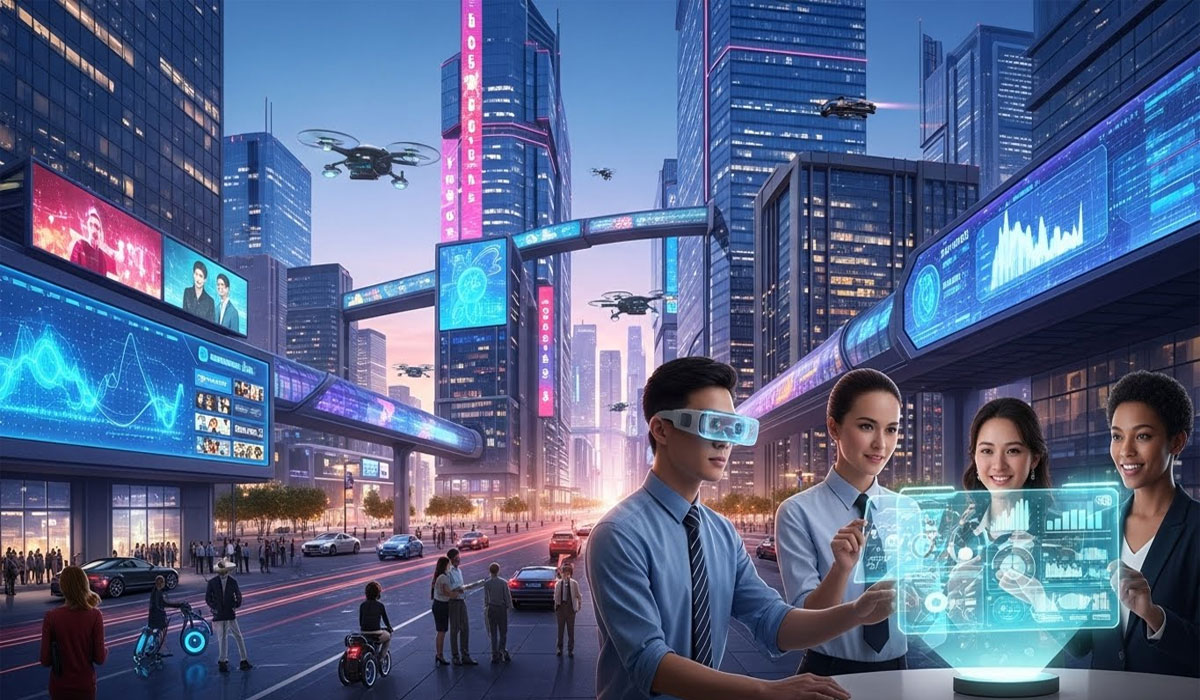
From artificial intelligence to smart devices and groundbreaking renewable energy solutions, the tools we are creating are not only changing how we live but also redefining entire industries. Understanding these innovations gives insight into how the world is evolving and how individuals can adapt to and benefit from these transformative technologies.
The following G-Force Extraction will discuss the role of modern technology in the business world, starting from digital transformation, automation, to the use of data and intelligence.
Artificial Intelligence: Redefining Intelligence and Efficiency
Artificial intelligence (AI) is no longer just a futuristic concept; it’s becoming a part of everyday life. AI algorithms power everything from virtual assistants like chatbots to complex predictive systems in healthcare, finance, and logistics. These systems can analyze massive datasets far faster than humans, making processes more efficient and accurate.
Businesses are leveraging AI to optimize operations, improve customer experiences, and make smarter decisions. For example, AI-driven analytics help companies predict consumer behavior, reduce waste, and streamline supply chains. Even personal devices use AI to recommend content, manage tasks, and improve security.
However, AI also raises important ethical questions. Issues like bias in algorithms, privacy concerns, and job displacement must be addressed carefully. Despite these challenges, AI’s potential to enhance productivity and improve daily life is immense, marking it as one of the most impactful innovations of our time.
Renewable Energy and Sustainable Technology
Another area where technology is revolutionizing the world is renewable energy. Solar panels, wind turbines, and energy storage systems are transforming how we produce and consume electricity. These technologies not only reduce dependence on fossil fuels but also combat climate change by lowering greenhouse gas emissions.
Innovations in energy efficiency are making sustainable solutions more affordable and accessible. Smart grids, home energy management systems, and energy-efficient appliances allow households and businesses to monitor and reduce their consumption. Governments and corporations are increasingly investing in clean energy projects to meet global sustainability goals.
Sustainable technology also extends to transportation and materials. Electric vehicles (EVs) and advances in battery technology are changing mobility, while biodegradable materials and eco-friendly production methods are reducing environmental impact. Together, these innovations are shaping a cleaner, more sustainable future.
Also Read: Cannabis Services Are Growing Fast, Here’s Why Everyone Is Talking About It!
The Internet of Things and Smart Connectivity
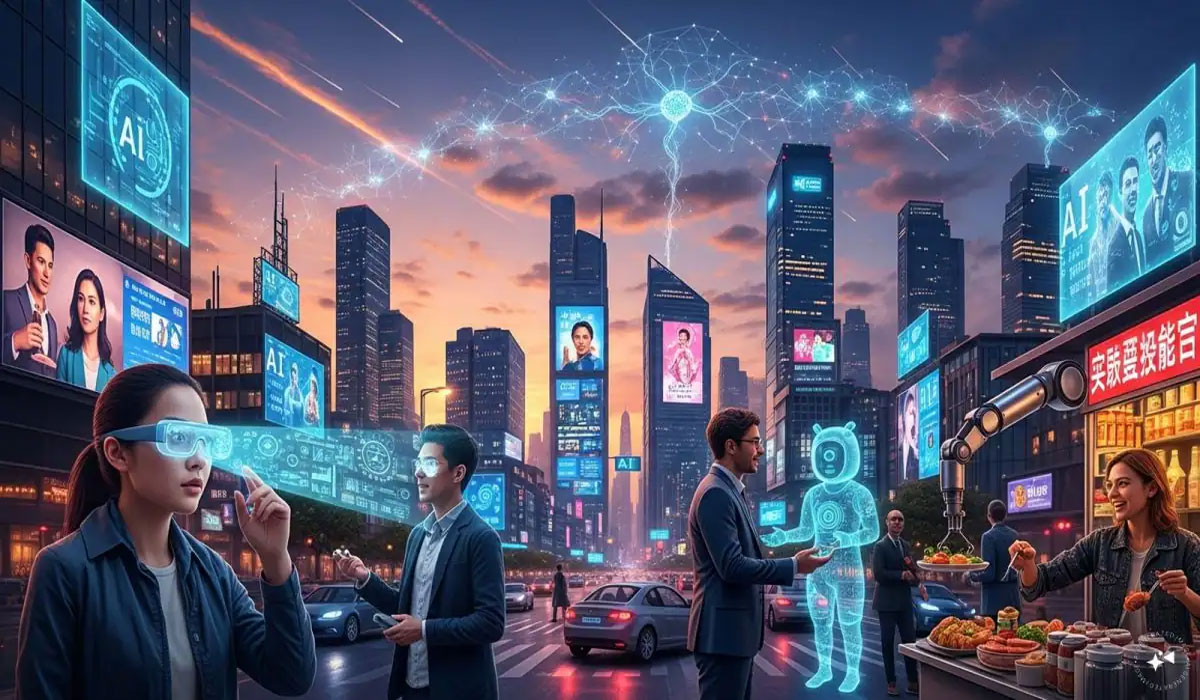
The Internet of Things (IoT) connects everyday objects to the internet, creating a world where devices communicate seamlessly. Smart homes, wearable devices, and connected cities exemplify how IoT enhances convenience, security, and efficiency. For instance, smart thermostats adjust temperatures based on user behavior, while wearable health monitors track vitals in real-time.
Industries are also benefiting from IoT through predictive maintenance, logistics tracking, and automated processes. Factories equipped with sensors can detect machinery issues before breakdowns occur, minimizing downtime and cost. Retailers can monitor inventory in real-time, ensuring products are available exactly when and where they are needed.
This level of connectivity also raises questions about data security. Ensuring that IoT devices are protected from hacking and privacy breaches is crucial. Nevertheless, IoT is enabling smarter living and working environments, creating unprecedented opportunities for efficiency and innovation.
Cutting-Edge Medical Technology
Medical technology is another field experiencing rapid transformation. Innovations like telemedicine, robotic surgery, and personalized medicine are changing healthcare delivery and improving patient outcomes. Remote consultations allow patients to access care without traveling, making healthcare more inclusive and accessible.
Robotics and AI-assisted surgery enhance precision, reduce recovery times, and minimize complications. Similarly, wearable health devices monitor heart rates, sleep patterns, and glucose levels, giving patients and doctors valuable data to make informed decisions. These technologies are bridging gaps in care and enabling early detection of diseases.
Furthermore, breakthroughs in biotechnology, such as gene editing and regenerative medicine, are opening doors to treatments previously thought impossible. CRISPR technology, for example, allows scientists to correct genetic mutations, potentially curing inherited disorders. The combination of innovation, data, and precision medicine is revolutionizing how we understand and treat human health.
Conclusion
The world is undergoing a technological transformation at a pace never seen before. Artificial intelligence, renewable energy, the Internet of Things, and cutting-edge medical innovations are reshaping industries, improving quality of life, and creating new possibilities.
While these technologies bring challenges, including ethical considerations and cybersecurity risks, their potential benefits are enormous. By understanding and embracing these innovations, individuals, businesses, and societies can thrive in a world where technology continues to redefine what is possible, making everyday life smarter, healthier, and more connected.
Sumber Informasi Gambar:
- Gambar pertama dari jnewsonline.com
- Gambar Utama dari inivie.com