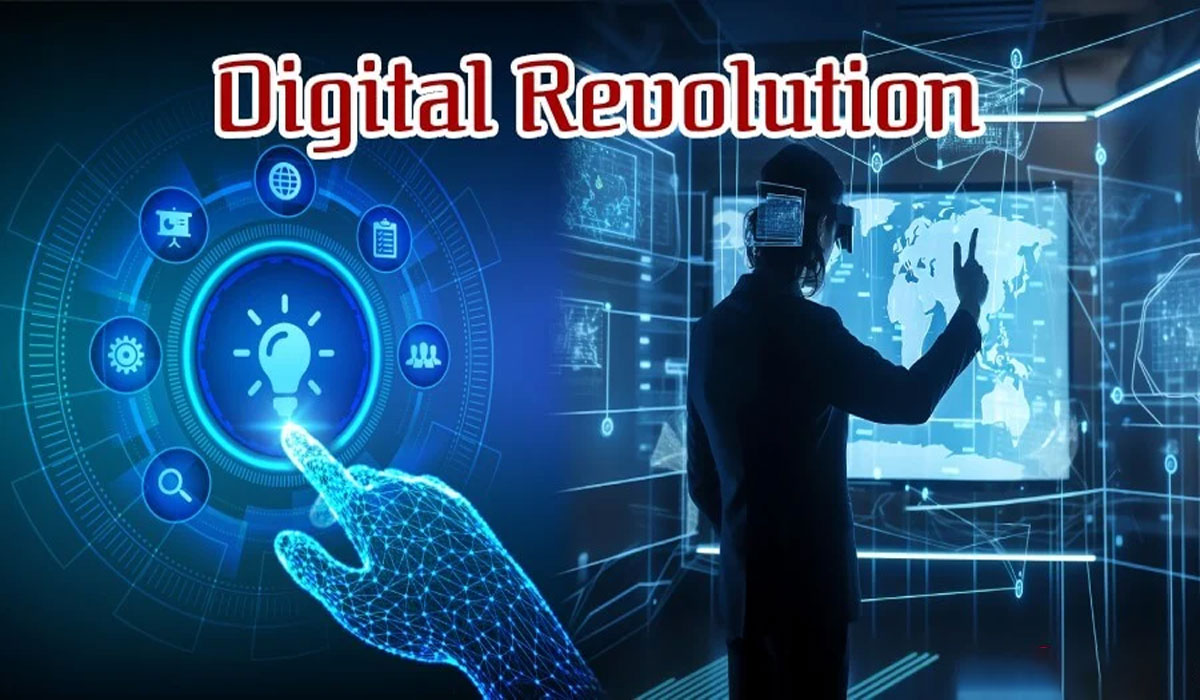
The Future of Technology: Innovations That Are Reshaping Our World
Explore the latest technology trends transforming industries and daily life, discover how AI, cloud computing, cybersecurity, IoT.
Technology continues to evolve at an unprecedented pace, reshaping industries, economies, and the way people live and work. From artificial intelligence to cloud computing, digital innovations now drive almost every aspect of modern society. Businesses that embrace technological transformation gain competitive advantages, while individuals who understand emerging tools unlock new opportunities.
The following G-Force Extraction will discuss about Explore the latest technology trends transforming industries and daily life.
Artificial Intelligence
Artificial Intelligence (AI) stands at the forefront of technological advancement. Businesses integrate AI into customer service, data analysis, and automation systems to improve efficiency and decision-making. Machine learning algorithms process massive datasets faster than humans, enabling smarter predictions and insights.
AI also transforms healthcare, finance, and manufacturing industries. In healthcare, predictive analytics assist doctors in diagnosing diseases earlier. In finance, AI-powered systems detect fraud and optimize investment strategies. These applications demonstrate AI’s capacity to enhance precision and reduce operational costs.
Despite its benefits, AI demands ethical responsibility. Organizations must ensure transparency, protect user data, and avoid algorithmic bias. Responsible AI development builds trust and ensures long-term sustainability in technological growth.
Cloud Computing
Cloud computing revolutionizes how businesses store, access, and manage data. Instead of relying on physical servers, companies use cloud platforms to scale resources dynamically. This flexibility reduces infrastructure costs and supports remote collaboration across global teams.
Cloud services also accelerate innovation. Developers deploy applications quickly, test new solutions, and adapt systems without major hardware investments. Startups benefit significantly because cloud solutions lower entry barriers and encourage experimentation.
Security remains a key consideration in cloud adoption. Companies must implement strong encryption, access controls, and compliance frameworks to protect sensitive information. A well-managed cloud strategy enhances agility while maintaining robust security standards.
Also Read: The Shocking Technology Breakthroughs That Are Changing 2026
Cybersecurity
As digital transformation expands, cybersecurity becomes more critical than ever. Businesses and individuals face increasing threats from hackers, ransomware, and phishing attacks. Strong cybersecurity measures protect data integrity and maintain operational continuity.
Organizations now adopt proactive security strategies rather than reactive responses. Continuous monitoring, multi-factor authentication, and employee awareness training reduce vulnerabilities. Cybersecurity no longer functions as an optional add-on but as a core business priority.
Governments and corporations also collaborate to establish stronger digital defense frameworks. Regulatory compliance and international cooperation help combat cybercrime. Companies that prioritize cybersecurity build customer trust and safeguard their reputations in an interconnected world.
Internet of Things
The Internet of Things (IoT) connects devices, systems, and infrastructure through smart sensors and real-time data exchange. Smart homes, wearable devices, and industrial automation systems demonstrate IoT’s growing presence in everyday life.
Industries leverage IoT to optimize operations and improve efficiency. Manufacturing companies monitor equipment performance to prevent downtime. Logistics providers track shipments in real time, ensuring faster and more reliable deliveries. Data-driven insights enhance productivity and cost management.
However, IoT expansion also increases security risks. Connected devices require secure networks and regular updates to prevent unauthorized access. Proper management ensures IoT ecosystems deliver convenience without compromising privacy or safety.
Digital Transformation
Digital transformation represents a comprehensive shift in how organizations operate and deliver value. Companies integrate technology into every department, from marketing to human resources, creating streamlined and data-driven workflows.
Leaders play a crucial role in driving digital change. Clear vision, employee training, and cultural adaptation ensure successful implementation. Businesses that foster innovation-friendly environments adapt faster to technological disruptions.
Sustainable digital transformation focuses not only on profit but also on long-term resilience. Companies that combine technology with strategic planning position themselves for continuous growth in a rapidly evolving digital economy.
- Main Image from LInkedln
- Second Image from Gadgetsavvy