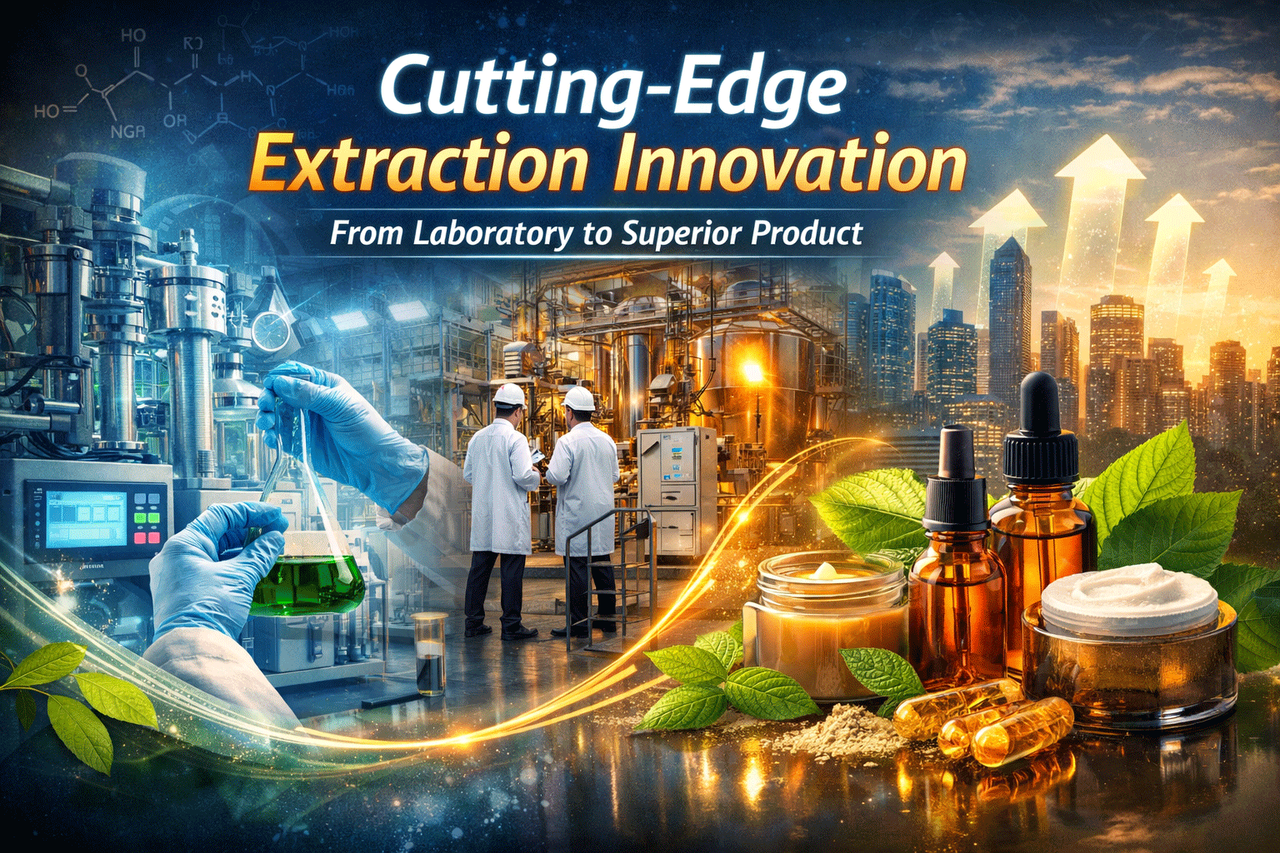
Smart Production Strategies, Boosting Efficiency and Quality in Modern Industry
In today’s fast-paced industrial world, producing high-quality products efficiently is no longer enough for business success.
Companies must focus on efficiency, quality, and productivity simultaneously to stay competitive. Implementing the right strategies helps reduce waste, lower costs, and improve customer satisfaction.
This article, G-Force Extraction will explores practical approaches for creating an effective and modern production system.
Understanding Your Production Process
The first step to improving production is to fully understand the entire workflow. Mapping out each stage allows companies to spot weak points, areas of waste, and opportunities for improvement. Clear insights enable managers to make informed decisions that optimize efficiency and reduce unnecessary delays.
Understanding the process also helps prioritize critical areas that have the most impact on product quality and delivery time. By focusing resources strategically, companies can ensure that every change made delivers maximum benefits and enhances overall performance.
A well-analyzed production process also supports better communication between departments. Everyone from operators to managers knows their responsibilities, reducing errors and creating a more cohesive workflow that benefits the entire organization.
Leveraging Technology and Automation
Modern technology and automation are game-changers for efficient production. Automated machinery and integrated control systems speed up processes, minimize human error, and maintain consistent output. Investing in the right technology allows companies to expand capacity without compromising quality.
Real-time monitoring tools provide critical data on production performance. Companies can use this information to track trends, implement continuous improvements, and make faster, data-driven decisions.
Moreover, technology supports predictive maintenance and resource management. By integrating systems, businesses can avoid downtime, reduce costs, and respond quickly to changing production demands, giving them a competitive edge.
Standardizing Quality and Procedures
Maintaining consistent product quality requires standardization. Clear standard operating procedures (SOPs) ensure every employee follows the same steps, minimizing variation and mistakes. Standardization builds reliability, which is crucial for brand reputation and customer trust.
Strict quality standards also simplify training for new employees. Staff can quickly adapt to processes while maintaining high production standards, saving time and improving overall workflow efficiency.
Additionally, standardized procedures help businesses scale operations. As companies grow, consistent methods ensure quality control remains intact, even across multiple locations or production lines.
Read Also: From Concept to Creation: Mastering the Art of Modern Production
Efficient Resource and Team Management
Human resources and materials are key components of production. Proper management ensures teams are motivated, skilled, and aligned with production goals. Assigning tasks efficiently and providing training helps employees perform at their best.
Efficient material handling is equally important. Proper inventory planning prevents shortages or overstock, reducing costs and keeping production smooth.
Combining resource management with skilled teams ensures operational efficiency. A well-coordinated workforce and controlled material flow are the backbone of a productive and high-quality manufacturing system.
Continuous Evaluation and Improvement
Effective production requires ongoing evaluation. Monitoring key metrics such as cycle time, efficiency, and defect rates helps identify areas for improvement. Continuous evaluation ensures the strategy adapts to evolving market demands.
Businesses must also remain flexible, embracing new technologies and changing consumer needs. Continuous improvement enhances quality, increases productivity, and strengthens competitiveness.
Ultimately, companies that prioritize evaluation and adapt quickly can maintain a strong position in the market. By combining assessment with proactive adjustments, production processes stay efficient, cost-effective, and capable of meeting future challenges.
Result, By analyzing processes, using automation, standardizing quality, managing resources efficiently, and embracing continuous improvement, companies can achieve higher productivity, consistent product quality, and long-term competitive advantage.
Sumber Informasi Gambar:
- Gambar Pertama dari sortly.com
- Gambar Kedua dari evosoft.com