Don’t Miss This! How Ethanol Extraction Delivers Cleaner and Faster Results
In the world of modern processing and laboratory science, extraction techniques play a vital role in isolating valuable compounds from raw materials.
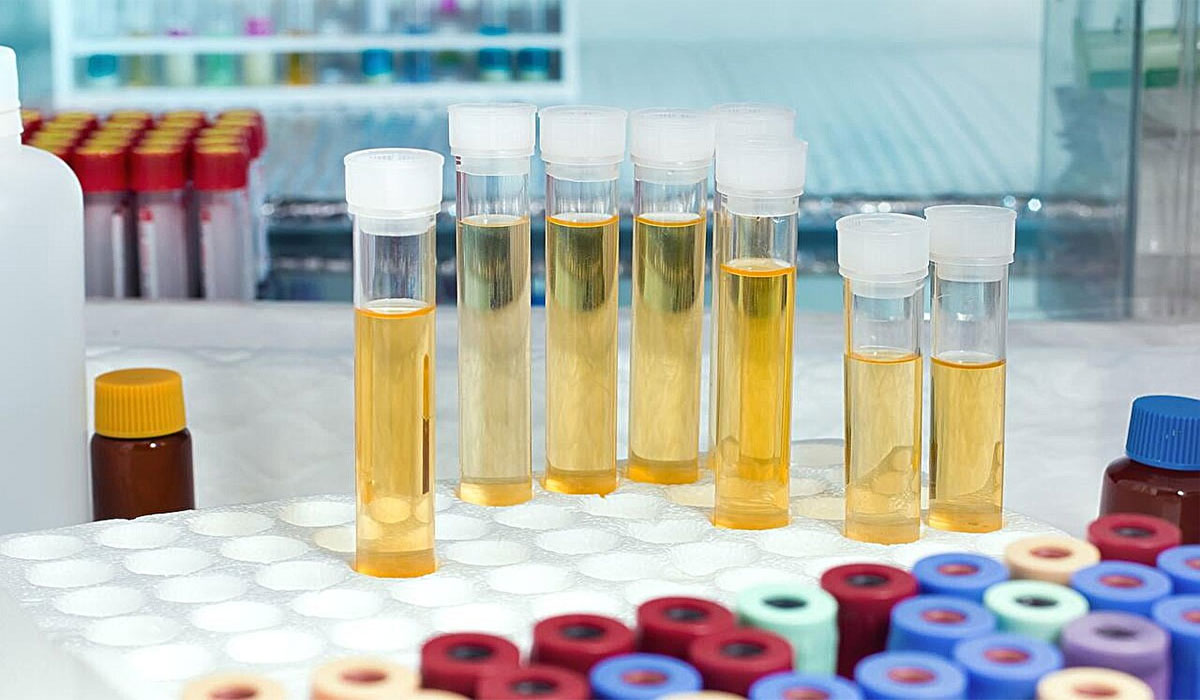
Among these methods, ethanol extraction has gained significant attention for its efficiency, versatility, and relatively safe profile. From food production to pharmaceuticals, this technique continues to shape industries by delivering cleaner and faster results.
The following G-Force Extraction will discuss the role of modern technology in the business world, starting from digital transformation, automation, to the use of data and intelligence.
Understanding the Basics of Ethanol Extraction
Ethanol extraction is a process that uses ethanol as a solvent to separate desired compounds from plant or organic materials. Ethanol is particularly effective because it can dissolve a wide range of substances, including oils, pigments, and bioactive compounds. This makes it a preferred choice across various applications.
The process typically involves soaking or washing the raw material with ethanol, allowing the solvent to pull out the target compounds. Afterward, the ethanol is removed through evaporation, leaving behind a concentrated extract. This method is both efficient and relatively straightforward compared to more complex extraction techniques.
One of the key advantages of ethanol is its safety profile. As a food-grade solvent, it is widely accepted in industries that require high purity and minimal toxicity. This makes ethanol extraction suitable for products intended for human consumption.
Why Ethanol Extraction Stands Out
Ethanol extraction is known for its ability to produce clean and high-quality extracts. Unlike some other solvents, ethanol leaves fewer harmful residues, ensuring that the final product is safer and more refined. This is particularly important in industries such as food and medicine.
Another advantage is its speed and efficiency. Ethanol can quickly penetrate plant materials and dissolve target compounds, reducing processing time. This efficiency allows manufacturers to scale up production without compromising quality.
Versatility is another factor that sets ethanol extraction apart. It can be used with a wide variety of materials, from herbs and spices to essential oils and botanical extracts. This flexibility makes it a valuable tool across multiple industries.
Also Read: The Development of Medical Laboratory Technology in the World of Health
Applications Across Different Industries
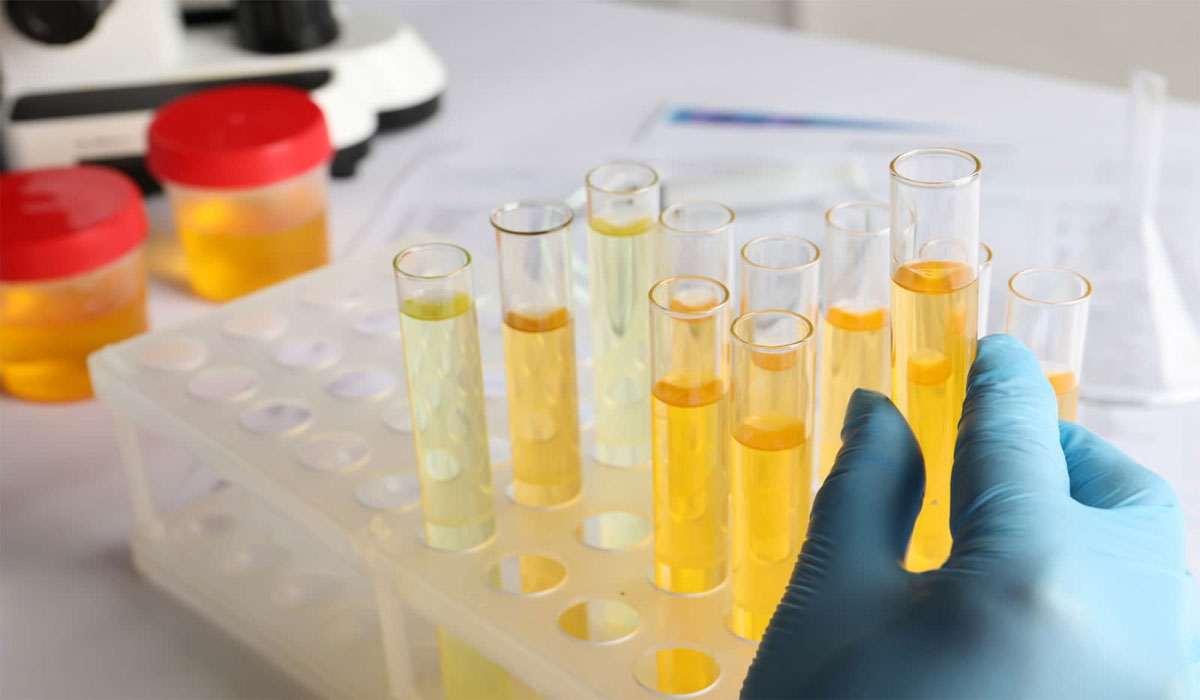
Ethanol extraction is widely used in the food and beverage industry to produce flavor extracts, colorings, and nutritional supplements. Its ability to preserve natural compounds ensures that products maintain their quality and authenticity.
In the pharmaceutical field, ethanol extraction plays a crucial role in isolating active ingredients from medicinal plants. These compounds are then used to develop treatments and health products that meet strict safety and efficacy standards.
The cosmetic industry also benefits from this technique. Ethanol extracts are commonly used in skincare and beauty products due to their purity and effectiveness. They help deliver active ingredients that improve skin health and appearance.
Challenges and Best Practices
Despite its many advantages, ethanol extraction is not without challenges. One of the main concerns is the need for proper temperature control. High temperatures can degrade sensitive compounds, reducing the quality of the final extract.
Another challenge is the removal of unwanted substances such as chlorophyll. While ethanol is effective at extracting desired compounds, it can also pull out impurities. Additional purification steps may be required to achieve the desired level of quality.
To overcome these challenges, best practices include optimizing extraction conditions, using high-quality raw materials, and implementing proper filtration techniques. These measures help ensure consistent and reliable results.
Careful handling and storage of ethanol are also essential. As a flammable substance, it requires appropriate safety precautions to prevent accidents and maintain a safe working environment.
Conclusion
Ethanol extraction has become a cornerstone technique in modern processing due to its efficiency, safety, and versatility. By understanding its principles, applications, and challenges, industries can harness its full potential to produce high-quality extracts. As technology continues to advance, ethanol extraction is likely to remain a key method for delivering cleaner, faster, and more reliable results across a wide range of fields.
Sumber Informasi Gambar:
- Gambar pertama dari jnewsonline.com
- Gambar Utama dari inivie.com