How Ethanol Extraction Became The Key To High-Quality Production
Discover how ethanol extraction became a key method in high-quality production, improving efficiency, purity, and industrial results.
In modern industrial processing, ethanol extraction has emerged as one of the most important techniques for achieving high-quality production. Known for its efficiency and ability to produce purer results, this method is widely used across various industries.
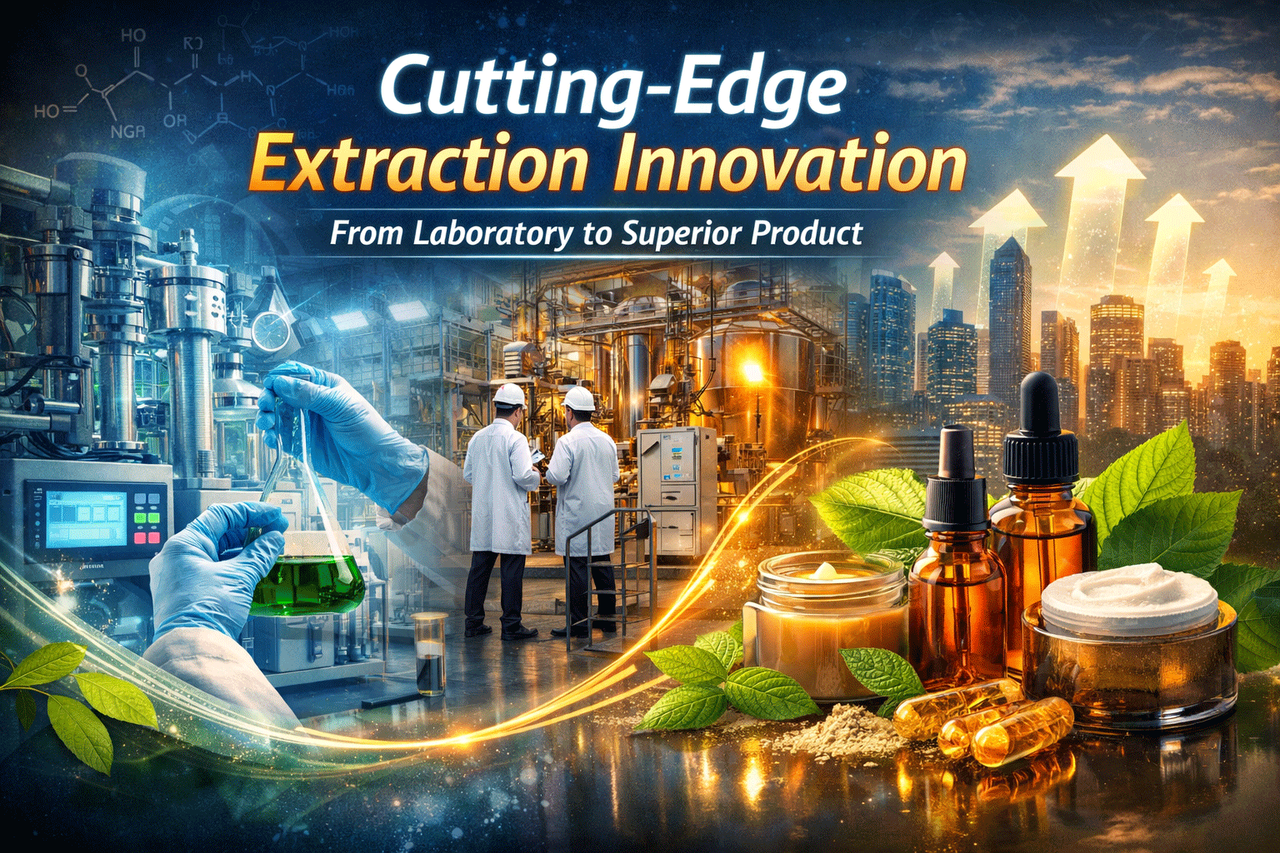
From pharmaceuticals to food and natural extracts, ethanol extraction plays a crucial role in ensuring product consistency and safety. But how exactly did this process become such a key standard in production today, and what makes it so effective? stay tuned G-Force Extraction | Cutting Edge Extrac.
Understanding Ethanol Extraction In Modern Industry
Ethanol extraction is a widely used industrial process that separates desired compounds from raw materials using ethanol as a solvent. This method has gained popularity due to its efficiency and ability to produce high-quality results.
It is commonly applied in industries such as pharmaceuticals, food processing, and natural product extraction. The process is valued for its ability to preserve purity while effectively isolating active compounds.
As industries continue to demand higher quality standards, ethanol extraction has become an essential part of modern production systems worldwide.
Why Ethanol Is Used As A Solvent
Ethanol is commonly chosen as a solvent due to its strong effectiveness and comparatively safer profile than many other chemical options. It can dissolve a wide range of compounds, making it highly versatile.
Another advantage of ethanol is that it is easier to remove from the final product due to its low boiling point. This helps ensure that the end result remains pure and uncontaminated.
Its natural origin and compatibility with organic materials also make it suitable for industries that prioritize clean and safe production methods.
Also Read: MUST READ! Technology Breakthroughs That Could Redefine Human Life
The Production Process Of Ethanol Extraction
The ethanol extraction process typically begins by soaking raw materials in ethanol to dissolve the desired compounds. This allows the active ingredients to separate from the plant or source material.
After extraction, the mixture is filtered to remove unwanted solids. The remaining solution is then processed to evaporate the ethanol, leaving behind the concentrated extract.
Advanced equipment is often used to control temperature and pressure, ensuring maximum efficiency and product quality during the entire process.
Benefits Of Ethanol Extraction In Industry
One of the main benefits of ethanol extraction is its ability to produce highly pure and consistent products. This is particularly crucial in sectors such as medicine manufacturing and food processing industries.
The method is also scalable, meaning it can be used for both small laboratory settings and large industrial operations. This flexibility makes it highly valuable for manufacturers.
Additionally, ethanol extraction is considered more environmentally friendly compared to other chemical extraction methods, making it a sustainable choice.
The Future Of Ethanol Extraction Technology
As technology continues to advance, ethanol extraction methods are becoming more efficient and precise. New innovations are improving yield and reducing energy consumption in production.
Automation and digital monitoring systems are also being integrated into extraction processes, allowing for better control and consistency in results.
With increasing demand for high-quality and sustainable products, ethanol extraction is expected to remain a key technology in modern industrial production.
Image Source:
- First Image from onecpm.com
- Second Image from longhope-evaporator.com