The Truth About Modern Technology Nobody Talks About
Modern technology is often presented as seamless, convenient, and universally beneficial, but beneath its polished surface lies a complex.

From the hidden systems that power everyday apps to the massive flow of data and algorithms shaping decisions in the background, technology influences modern life in ways that are both powerful and largely invisible. Understanding this deeper layer reveals not only how technology truly works, but also the challenges, trade offs, and consequences that are often left out of the public conversation. See and follow the complete information only at G-Force Extraction | Cutting Edge Extrac.
The Invisible Systems Behind Everyday Technology
Modern technology feels simple on the surface, but behind every app, device, and digital service lies a vast network of systems working continuously. These systems include cloud infrastructure, data centers, and complex algorithms that process enormous amounts of information in real time. Most users never see this hidden structure, even though it is essential for everything to function smoothly.
Every search, message, and video stream depends on layers of computation happening across different parts of the world. Data is constantly being transmitted, stored, analyzed, and retrieved within milliseconds. This invisible coordination creates the illusion of instant response, even though the actual process involves multiple steps and systems working together.
What makes this even more interesting is how seamlessly these systems scale. Whether one person or one million people are using a service, the underlying architecture adjusts dynamically to handle demand. This adaptability is one of the most powerful aspects of modern technology, yet it remains largely unnoticed by everyday users.
Data as the Currency of the Digital Age
One of the most important truths about modern technology is that data has become one of the most valuable resources in the world. Every interaction online generates information about behavior, preferences, and patterns. This data is then used to improve services, personalize experiences, and sometimes influence decisions.
Many people do not realize how much information is collected through normal digital activity. From browsing history to location patterns, devices continuously gather signals that help build detailed profiles. These profiles allow systems to predict behavior with surprising accuracy, shaping what users see and how they interact with content.
The value of data also raises important questions about privacy and control. While personalization can improve user experience, it also means that personal information is constantly being analyzed and stored. Understanding how data flows through digital systems is essential for making informed choices in a connected world.
Also Read: Advanced Electric Cars: Today’s Environmentally Friendly Solution
Artificial Intelligence and Its Expanding Role
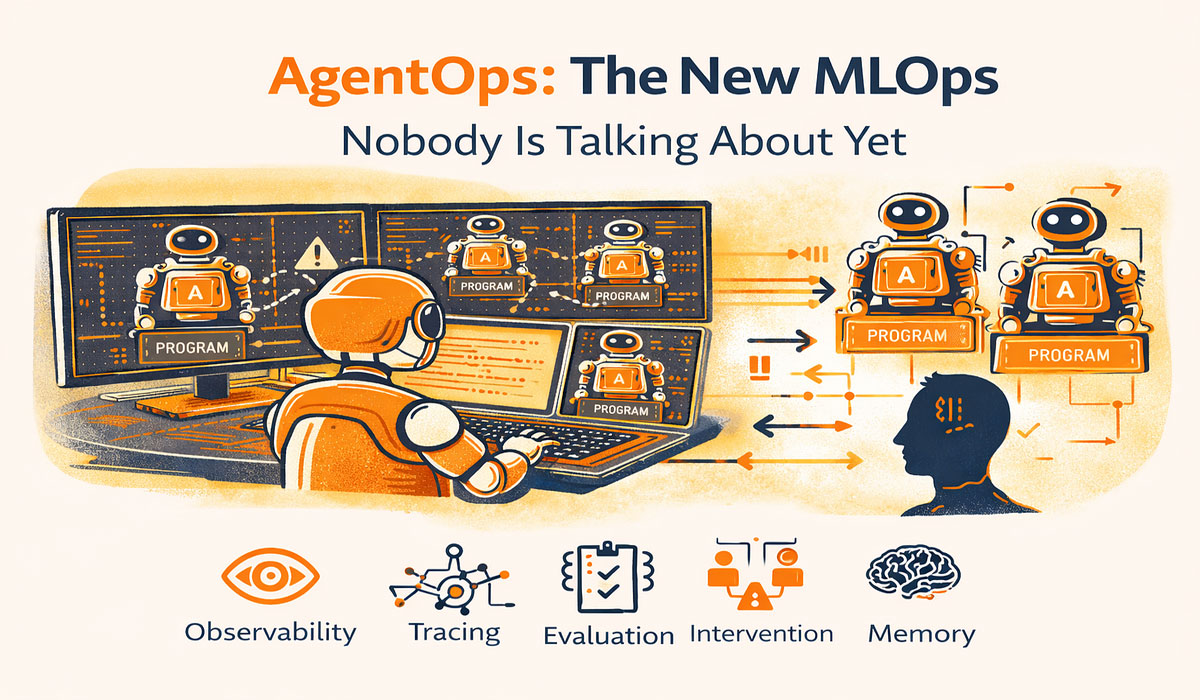
Artificial intelligence has become one of the most transformative forces in modern technology. It powers recommendation systems, voice assistants, translation tools, and even decision making processes in industries such as healthcare and finance. Its influence continues to expand at a rapid pace.
What makes artificial intelligence powerful is its ability to learn from patterns in large amounts of data. Instead of following fixed instructions, these systems improve over time by analyzing outcomes and adjusting behavior. This creates tools that can adapt to complex situations in ways traditional software cannot.
However, the growing role of artificial intelligence also introduces new challenges. As systems become more advanced, understanding how decisions are made becomes more difficult. This raises important questions about transparency, responsibility, and the balance between automation and human control.
The Social Impact of Constant Connectivity
Modern technology has fundamentally changed how people communicate and interact. Constant connectivity allows instant communication across distances that once made interaction slow or impossible. This has transformed relationships, work environments, and even cultural exchange on a global scale.
At the same time, continuous connectivity has altered attention patterns and social behavior. Many people now experience constant notifications and information flow, which can make it harder to focus deeply on a single task. This shift has created both new opportunities and new forms of distraction.
Social media and digital platforms also shape identity and perception. People often present curated versions of their lives, which can influence how others view reality. This dynamic has created a complex relationship between authenticity, comparison, and digital expression in everyday life.
Conclusion
The truth about modern technology is that it is far more complex and influential than it appears on the surface. Behind simple interfaces lies a world of invisible systems, massive data flows, intelligent algorithms, and constant connectivity that shape how people live and think. While these advancements bring enormous benefits, they also introduce new challenges that require awareness, understanding, and thoughtful use to navigate responsibly in an increasingly digital world.
Image Source:
- First Image from cnnindonesia.com
- Second Image from gizmologi.id