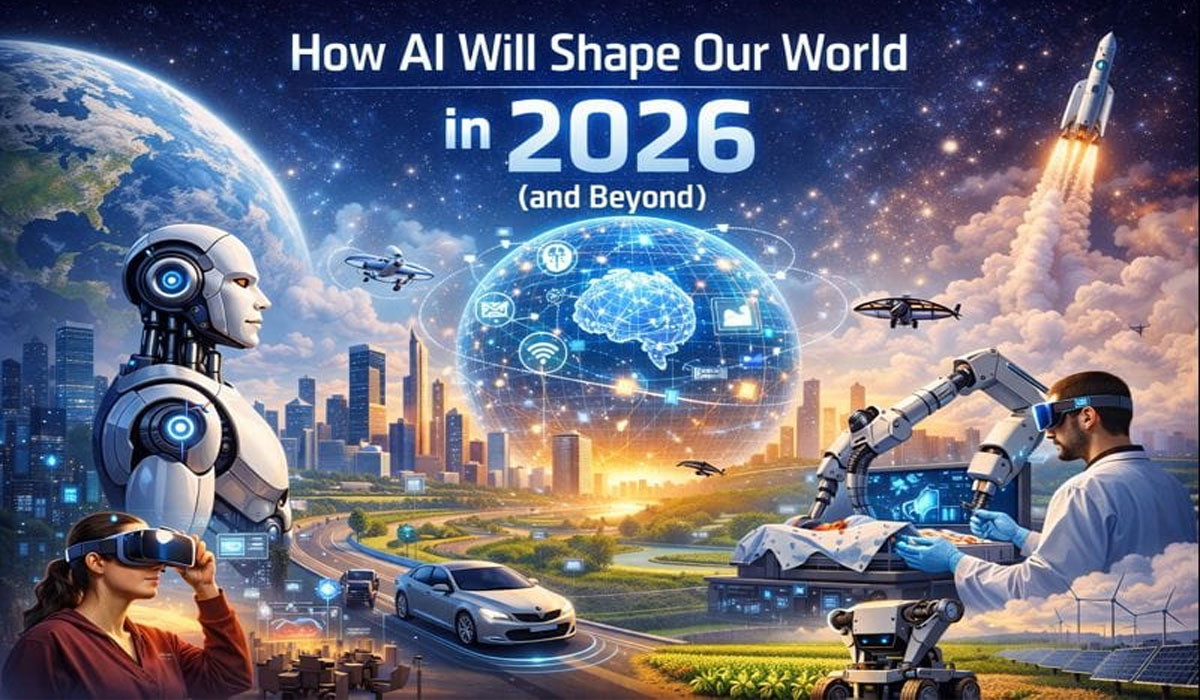
Virtual Reality Is Changing How We Experience the World in Ways You Didn’t Expect
In a world driven by innovation, virtual reality is rapidly redefining how people see, feel, and interact with their surroundings.
This technology allows users to step beyond the limits of physical space and experience environments that feel immersive and lifelike. From exploring distant places to engaging in interactive learning and entertainment, virtual reality creates new ways for individuals to connect with digital content. As its capabilities continue to expand, it is shaping a future where the boundaries between reality and simulation become increasingly seamless. Read more only at G-Force Extraction | Cutting Edge Extrac.
The Evolution Of Virtual Reality
Virtual reality has come a long way from its early experimental stages into a sophisticated technology that delivers immersive experiences. What once seemed like science fiction is now accessible to a growing number of people through advanced headsets and interactive platforms. This evolution has made virtual reality more practical and engaging for everyday use
Developers continue to refine the technology by improving graphics, motion tracking, and user interfaces. These advancements create more realistic simulations that allow users to feel fully present in digital environments. As a result, virtual reality is no longer limited to gaming but is expanding into various industries
The increasing affordability and availability of devices have also contributed to its growth. More individuals and organizations are adopting virtual reality as a tool for entertainment, education, and professional training. This widespread adoption signals a shift in how technology integrates into daily life
How Virtual Reality Is Transforming Experiences
One of the most significant impacts of virtual reality lies in its ability to transform how people experience the world. Instead of simply viewing content on a screen, users can step inside digital environments and interact with them in real time. This level of immersion creates a deeper and more engaging experience
In education, virtual reality allows students to explore complex subjects in a more interactive way. They can visit historical locations, conduct virtual experiments, and visualize abstract concepts with greater clarity. This hands on approach enhances understanding and retention of information
In entertainment, virtual reality offers new forms of storytelling and engagement. Users can become part of the narrative, making choices that influence the outcome. This interactive element adds a new dimension to media consumption and redefines how stories are experienced
Also Read: Shocking Future Ahead! How Technology Is Changing Everything You Do Every Day
The Role Of Virtual Reality
Beyond entertainment and education, virtual reality is making a significant impact across various industries. In healthcare, it is used for training medical professionals and simulating surgical procedures. This allows practitioners to gain experience in a safe and controlled environment
In business, companies use virtual reality for product design, virtual meetings, and employee training. It enables teams to collaborate more effectively regardless of physical location. This capability is especially valuable in a globalized world where remote work is increasingly common
The real estate and tourism industries also benefit from virtual reality by offering virtual tours of properties and destinations. This allows potential buyers and travelers to explore spaces before making decisions. Such applications save time and provide a more informed experience for users
Challenges And Future Possibilities
Despite its many advantages, virtual reality still faces several challenges. High costs, technical limitations, and accessibility issues can prevent widespread adoption. Additionally, some users experience discomfort or motion sickness during extended use
Developers are actively working to address these challenges by improving hardware design and optimizing software performance. As technology continues to advance, these barriers are expected to decrease, making virtual reality more accessible to a broader audience
Looking ahead, the future of virtual reality holds exciting possibilities. As integration with other technologies such as artificial intelligence and advanced sensors improves, virtual experiences will become even more realistic and personalized. This progress will further expand its role in shaping how people interact with the world
Image Source:
- First Image from companysights.co
- Second Image from companysights.com