Unbelievable Technology That Could Make Humans Obsolete
Technology is evolving at an unprecedented rate, reshaping the way we live, work, and interact with the world.
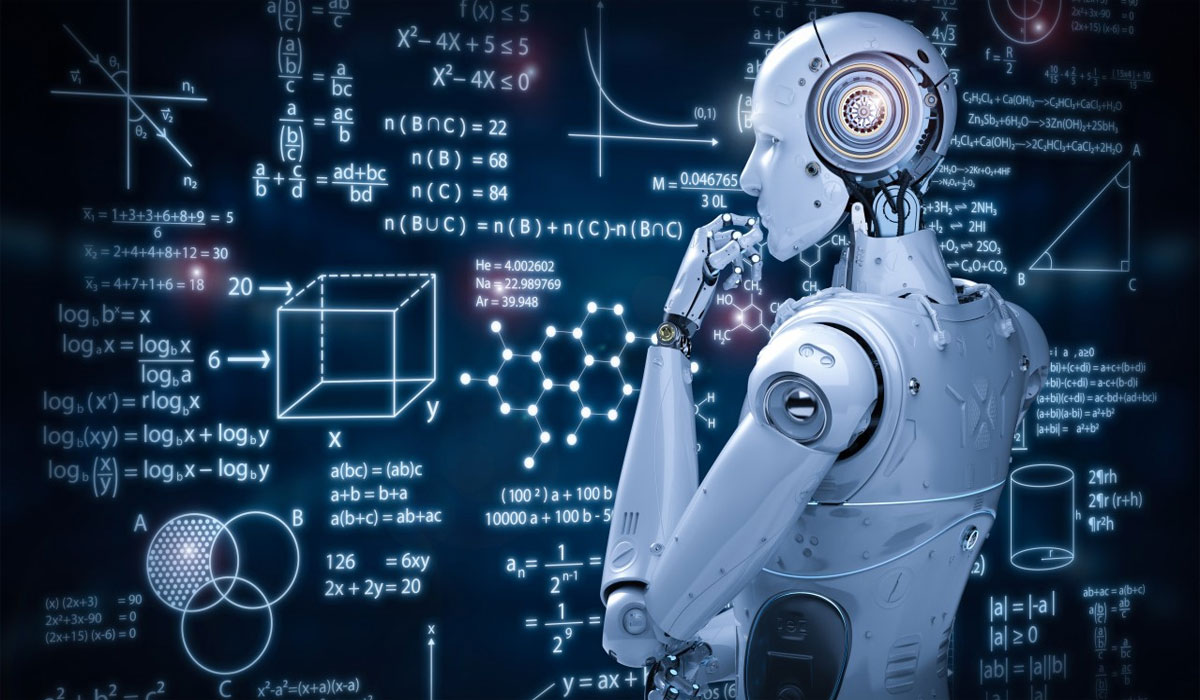
From artificial intelligence to advanced robotics, some innovations are pushing the boundaries of what humans can achieve so much so that experts warn these technologies could one day replace human roles entirely. Understanding these breakthroughs is not only fascinating but crucial for preparing for the future.
The following G-Force Extraction will discuss the role of modern technology in the business world, starting from digital transformation, automation, to the use of data and intelligence.
Artificial Intelligence: Smarter Than Ever Before
Artificial intelligence (AI) has advanced to the point where machines can learn, adapt, and perform complex tasks that were once thought to require human intelligence. From virtual assistants to sophisticated algorithms predicting consumer behavior, AI is now deeply integrated into daily life.
AI systems can analyze massive amounts of data in seconds, making decisions faster and often more accurately than humans. In industries such as finance, healthcare, and logistics, AI is streamlining operations, optimizing outcomes, and reducing human error. The rapid growth of AI threatens to make certain human roles redundant, particularly those involving routine analysis or repetitive tasks.
Beyond the workforce, AI is developing creative and strategic capabilities. Algorithms now compose music, write articles, and even generate original art. As machines acquire these skills, the distinction between human creativity and machine-generated output begins to blur, raising profound questions about our future relevance in a world dominated by intelligent systems.
Robotics: The Rise of Machines That Work Like Humans
Modern robotics is pushing the limits of automation, producing machines that can perform tasks once reserved for humans. Advanced robots can assemble products, perform surgeries, and even assist in eldercare with remarkable precision and consistency.
The combination of robotics and AI has led to robots that learn from experience, adapt to new environments, and interact safely with humans. This technology is already transforming manufacturing, logistics, and service industries, reducing labor costs while increasing efficiency. As robots become more autonomous, many traditional jobs could disappear entirely.
Robotics is also expanding into domains requiring emotional intelligence and dexterity. Social robots are being used to provide companionship for the elderly, while medical robots assist in delicate surgeries with unparalleled accuracy. These advancements highlight a future in which humans may no longer be indispensable in tasks that require skill, judgment, or empathy.
Also Read: Production Scandal: Hidden Dangers Lurking in Everyday Goods!
Automation and the Future of Work
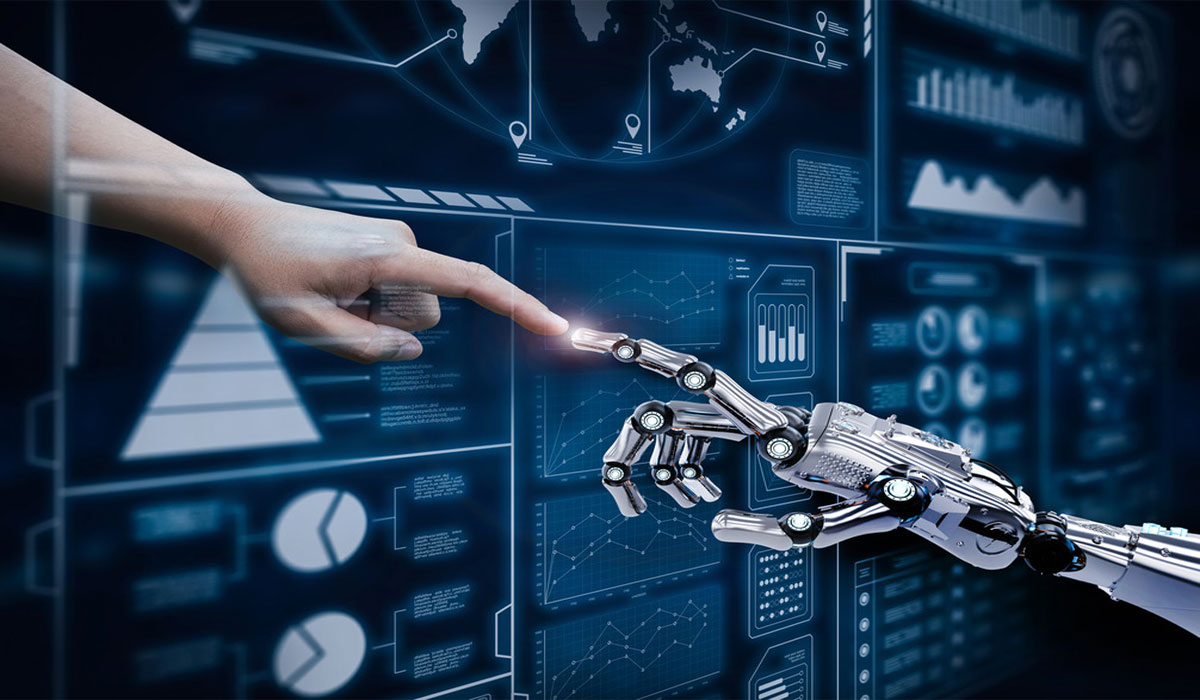
Automation is reshaping the workforce faster than many predicted. From self-driving vehicles to automated customer service, technologies once considered futuristic are now realities. These innovations increase productivity but also raise concerns about unemployment and social inequality.
As machines take over repetitive and routine tasks, humans are being pushed toward roles requiring creativity, critical thinking, and emotional intelligence. However, not all workers can transition easily, creating potential challenges in retraining and adapting to new career paths. Governments and organizations must anticipate these changes to prevent societal disruption.
Moreover, automation is extending into knowledge-based work. AI-powered software can now draft reports, analyze legal contracts, and even manage financial portfolios. As a result, professional roles once considered secure may become vulnerable, emphasizing the need for continuous learning and adaptability in a technology-driven future.
Ethical Implications and Human Relevance
The rise of technology capable of replacing humans brings ethical and philosophical questions to the forefront. How much control should we cede to machines? Can we ensure that AI and robotics serve humanity rather than displace it? These questions are critical as automation becomes more widespread.
Ethical considerations also extend to privacy, decision-making, and accountability. AI systems make decisions that can impact lives, from hiring to medical diagnosis. Ensuring transparency, fairness, and oversight is essential to prevent misuse or unintended consequences as machines take on more responsibilities.
Finally, humans must consider their role in a world where technology excels at tasks once thought uniquely human. Creativity, empathy, and moral judgment may become the defining traits that separate humans from machines. Preparing for this future requires not only technical understanding but also reflection on the values that guide society.
Conclusion
The rise of AI, robotics, and automation is transforming the world at an unprecedented pace. These technologies are not just enhancing human capabilities they have the potential to replace humans in many domains entirely. While this brings efficiency and innovation, it also raises profound questions about relevance, ethics, and the future of work.
Humans must adapt by embracing continuous learning, cultivating uniquely human skills, and preparing ethically and socially for a highly automated world. By understanding these technologies and their implications, society can harness their benefits while mitigating potential risks.
- First Image from detikcom
- Second Image from Manufaktu